Category: Medical and care
-
The many stages of dementia
Dementia shifts in ways you never expect. Just when one stage feels familiar, another begins. My dad’s mobility, memory, and recognition change from week to week, and we’re learning to meet each moment as it arrives.
-
What if you don’t want to visit anymore?
Visiting a loved one with dementia can feel heartbreaking, even overwhelming. I often dread it, knowing it will weigh on me long after. Yet I keep going—for love, for reassurance, for duty. If you’re struggling too, know you’re not alone in these complicated feelings.
-
Dementia and saunas
After my dad’s dementia diagnosis, brain health became personal. A Finnish study found men who used saunas 4–7 times weekly had a 66% lower risk of dementia. What once felt like indulgence now feels like self-care and prevention – a small, joyful habit that might protect my future.

-
Assisted dying and dementia
Assisted dying is back in the spotlight as UK legislation progresses. For people with dementia, it’s a deeply personal and often painful subject. This post explores how offering choice, with safeguards, could bring dignity and peace of mind – without devaluing life or rushing decisions. Compassion means respecting autonomy as well as vulnerability.

-
One step forward, two steps back
Visiting my dad in the care home is a mix of quiet miracles and heartbreak. Dementia shifts constantly – progress one day, confusion the next. He said my name, something I haven’t heard in so long. I carry that small moment with me, even as everything else keeps slipping away.

-
Walking, wandering & dementia
When dementia took my father’s ability to walk, it marked the loss of more than movement – it was the end of our shared rambles, his independence, and a lifetime of direction. This reflection traces his journey from avid walker to wheelchair, and the emotional terrain we now navigate as a family.

-
The mind, memory and language with dementia
I explore how dementia affects memory and communication, particularly focusing on my father. I highlight the phenomenon of “time-shifting,” where people recall distant memories more easily than recent ones. Reading remains intact longer than verbal expression, while music evokes deep connections, revealing the complex relationship between memory, language, and emotional ties.
-
Risk factors for dementia
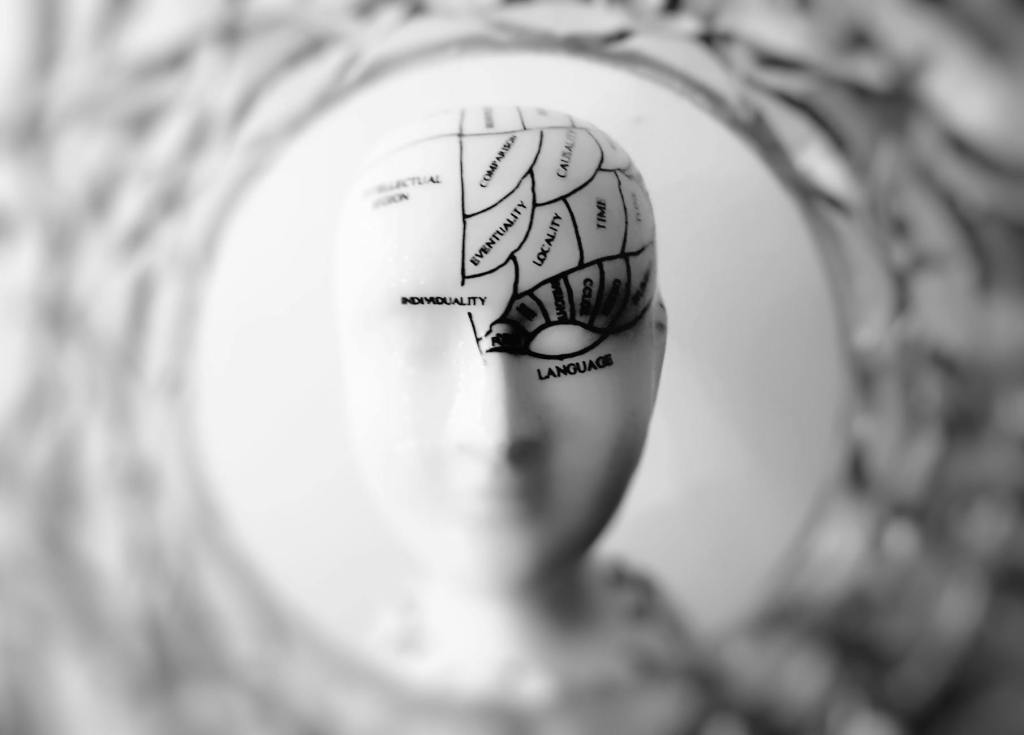
Recent studies reveal new risk factors for dementia, including untreated vision loss and high cholesterol. While these factors are preventable, I reflect on the personal grief of watching a loved one with dementia. The anguish of late diagnosis underscores the importance of early intervention.
-
He’s in a care home now
I reflect on the challenges of placing a loved one with dementia in a care home after a lengthy hospital stay. Although initially heartbroken, I recognise the comfort my father feels there despite the emotional pain of separation. This difficult reality seems particularly hard to accept at Christmas.

-
Visiting hours: going to see my father when he was in hospital last summer
I wrote this last summer when my father was in hospital after a fall. He couldn’t come home because he kept trying to pull off the neck brace he had to wear, so he ended up spending months there until we managed to get him into a care home.

 dementia in the family