This is something I’ve thought about a lot, and I’m still learning as I go. But I wanted to share a bit about my experience of supporting my children through my dad’s dementia. (If you’d like some practical advice on how to approach these conversations, the Alzheimer’s Society has some excellent guidance here.)
My daughter is eight and my son is six. We first learned that my dad had dementia about four years ago, so they were both very young when we started to notice changes.
At that time, my daughter had just started school, and I would drop my son off at my parents’ house one day a week so they could look after him for a few hours.
My dad’s dementia was already noticeable to adults then. I think my daughter sensed that something was different about her grandfather — perhaps that he wasn’t quite like other people’s — but my son, being younger, didn’t really seem to notice.
He would always run in to hug my dad’s legs when we arrived. Sometimes my dad would try to pick him up, and my mum or I would gently remind him not to, as he was already a bit unsteady on his feet. My son would play happily in the front room with the toys my parents kept for him, while my dad smiled and watched. They often sang along together to nursery rhymes on a DVD while my mum got lunch ready.
Those moments were so tender — a reminder of how naturally young children accept people just as they are, without comparing or judging.
It was a little different for my daughter, who started to notice that her grandfather didn’t seem as engaged in conversation as he used to be. He was already struggling to find words and to follow what she was saying, so he often seemed distant when she spoke to him. Gradually, she began to spend more time with my mum when we visited.
I explained to her that her grandfather had an illness called dementia, which affects the brain and makes it harder for him to remember and talk like he used to. She was able to understand this earlier than my son.
When my dad later moved into a care home — his dementia had progressed quite quickly — I found I needed to explain things to my son several times. He often said he thought Opa, as he calls him, would get better and come home soon. I had to gently tell him that Opa’s brain wasn’t going to get better, and that the care home was a safe place where kind people could look after him.
At first, my son thought the care home was a hospital, because that was where Opa had gone after a few falls, and he had always come home afterwards. I explained that a care home is a bit different — it’s a place where older people who need extra help can live comfortably, with carers around all the time to keep them safe.
One of the children said — I can’t remember which — “Like the home for retired bears in Paddington?”
I remember filling up at that question and smiling through tears. “Yes,” I said, “just like that. Opa is a retired bear now, like Paddington’s Aunt Lucy.”
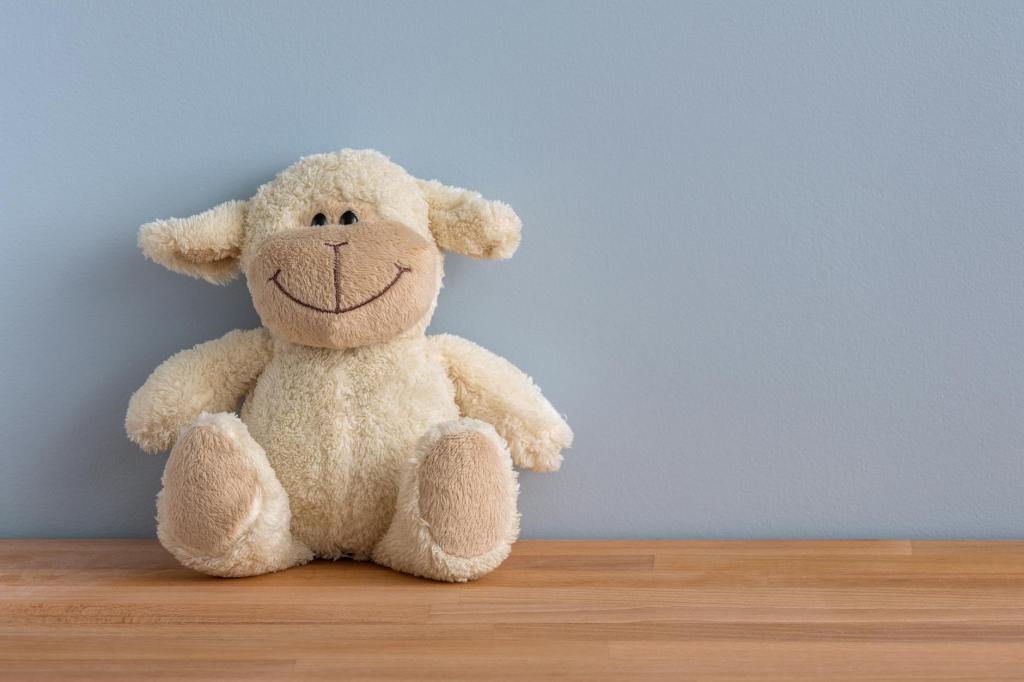
Since then, we’ve often called the care home “the home for retired bears.” I love that image — that to them, Opa is like a teddy bear taking a rest.
I try not to upset the children, but I’ve learned it’s important not to hide things from them either. I’ve told them that I feel sad about what’s happened to Opa and that I miss the way he used to be. I share stories about him from before his dementia so they can know that version of their grandfather too.
I also remind them that it’s okay to feel sad — that we can miss someone even when they’re still with us in a different way. Still, I sometimes realise I haven’t said this enough. The truth is, I find it incredibly painful, and often I keep my grief to myself — even from my partner or friends — because it feels like it’s an old sadness that never really goes away.
One evening, when my sister was babysitting, my son asked her if Opa would ever come home again. Hearing that made me realise that even though I’ve tried to be open, the children may still sense there are things I don’t say. It also reminded me that my son still misses his grandfather deeply — something I had perhaps underestimated. But it comforted me too, knowing that he felt safe enough to share those feelings with another trusted adult.
There’s no perfect way to talk to children about dementia, and I’m still figuring it out myself. What matters most, I think, is being honest and kind, giving children space to ask questions and to feel whatever they feel.
How have you spoken to your children about dementia?
 dementia in the family
Leave a comment