I saw someone saying that we shouldn’t waste time grieving for someone with dementia, but that we should meet them where they are now and make the most of what we have while we still can. I have a lot of feelings about this.
I agree that there is still a lot of enjoyment to be had after a dementia diagnosis, and you can have many good years left of doing things together, spending quality time, making new memories. It’s not all doom and gloom. I think people often write off people with dementia and assume they can’t do anything anymore. But with proper adjustments, they can still enjoy a lot of life—until they reach the more advanced stages.
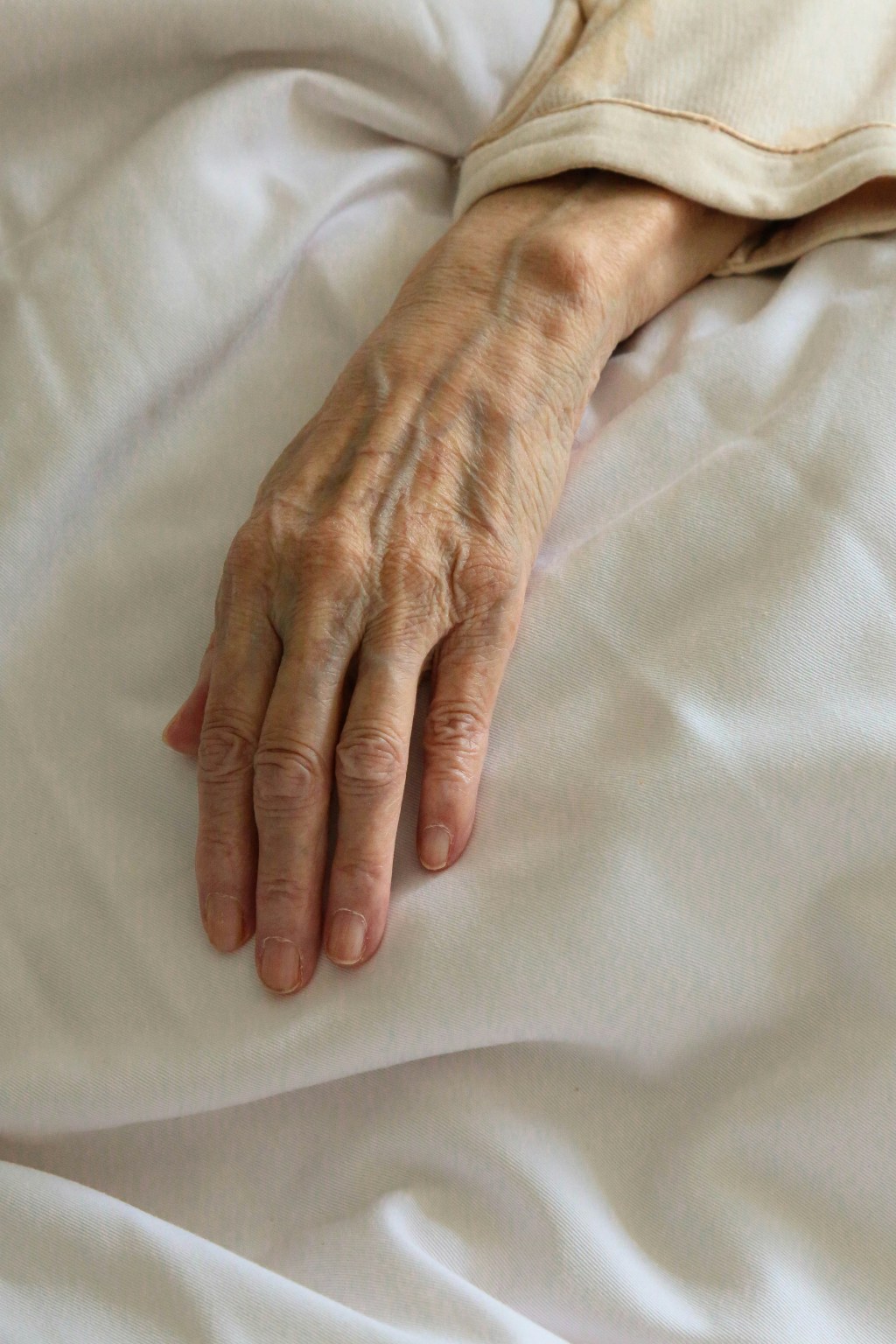
But here we are, in the advanced stages, and it’s very, very hard to meet my dad where he is now. Where he is now doesn’t recognise me anymore, and I barely recognise him. There’s a certain toxic positivity in much of what I read about dementia, and I want to say that it’s okay to feel rubbish about it all—and to grieve.
Grief and sadness are not a waste of time. They are feelings that you need to allow yourself to feel.
Grieving is a necessary process. It’s a horribly long process when it comes to dementia—and I imagine any illness that goes on for a long time, without knowing when it will end. There’s a particular grief with dementia because you’re not just watching the person become more and more frail—you’re also watching their personality and sense of self change. How could you not grieve that?
Even before the advanced stages, it’s profoundly disturbing to watch someone you love change in ways you could never have foreseen. And I’m sure it’s profoundly disturbing for the person living with dementia too.
It sometimes reminds me of that trope in horror films, where the protagonist sees someone they know with their back to them, walks over to tap them on the shoulder, but as they turn, they realise it isn’t them at all. Visiting my dad now can feel like that jolt: the image in my mind of him and the person in front of me don’t fully align. But he is still here, and he is still himself.
Dementia doesn’t just take the memories of the person who has it, eating away at their brain. It also throws my own memories back at me, as I see someone in front of me who doesn’t correspond to the person I remember. I’m not sure I can fully articulate what I mean here, but I hope I can get the sense of it across. Dementia turns memory inside out for everyone involved.
What I have found useful recently is to try to separate the person I go to visit now from the dad I remember. It’s a way of managing the sadness. This man is different. He doesn’t know who he was before. He no longer coincides with the dad who told me who wouldn’t want to live this way, with the dad who could go to concerts with me, discuss books, crack dad jokes, lend me his New Yorkers, give me advice about my finances.
I think what helped me make this separation was my son’s reaction to visiting him. My son told me his grandfather hadn’t changed at all since he’d last seen him more than a year before, before he had gone into the care home. To my six-year-old, the only difference was that he had a wheelchair.
I realised that for the whole of my son’s short life, his grandfather has pretty much been this guy: someone who has few words and struggles to make meaning, but who can smile and interact with him on some level.
I realised that so much of my sadness in visiting him was the disconnect between my memories of my dad and the man in front of me. But if I just think of him as the man my son has always known and loved, it feels easier.
I still allow myself to remember my dad from before, and I try to make sure I talk to my children about him too, tell them stories about him, so that they know the other version as well. As I’ve discussed before, I think about his funeral sometimes, and how nice it will be to remember and grieve him properly with friends and family.
There’s such a loneliness to the grief of dementia, because the people around you don’t join in. They turn away, or just sadly ask you how your dad is, but they know he is still alive, that it isn’t time to mourn.
Grief in dementia is about noticing the small losses along the way, honouring them, and letting yourself feel all the things you’re feeling. And even amid the sadness, there are nice moments that remind me that he is still here, still my dad, still someone to love and be with.
Here are some useful resources about grief from Dementia UK.
 dementia in the family
Leave a comment